
"high degree"
20000 article(s) found

Factors affecting the baking degree of coffee beans during roasting process
The property of coffee beans during roasting is the main process of heating raw beans and developing the aroma and taste of coffee. The aroma and taste emitted are determined by the original characteristics of each kind of raw bean. The depth of fried beans depends on the type of raw beans, and the process of fried beans is the main process of heating raw beans and developing the aroma and taste of coffee. The aroma and taste are produced by every

Coffee roasting degree how to judge roasting degree from sound, color and aroma how to choose roasting degree
Professional coffee knowledge exchange more coffee bean information Please follow the coffee workshop (Wechat official account cafe_style) in Taiwan, drinking coffee has become an indispensable enjoyment, more and more people choose to make coffee at home, not only for interest, but also for better coffee quality. If you have done, or are going to do, then the first thing you need to know is

Knowledge of grindability of espresso Espresso production 2
We have already understood the effect of the degree of grinding on the taste of Espresso and that the degree of grinding can be adjusted, but the range of this adjustment is very large.
Basic knowledge of Espresso production about the grindability of coffee beans 2
We have already understood the effect of the degree of grinding on the taste of Espresso and that the degree of grinding can be adjusted, but the range of this adjustment is very large.
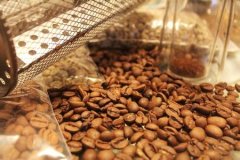
The basic chemical reaction that takes place during coffee roasting.
Basic chemical reactions that occur during coffee roasting author: Carl Staub originates from the SCAA baking color classification system, developed by Agtron SCAA 1995 original text from: http://www.sweetmarias.com/roast.carlstaub.html translation: Grant, http://www.baristacn.com/forum/thread-1583-1-1.html in the roasting process

Introduction to the characteristics of different kinds of coffee
Coffee is produced from the equator to 15 degrees north latitude and is produced in South America, Indonesia and Africa. But the coffee produced from the equator to 15 degrees north latitude is too strong and bitter. In fact, the best coffee should be produced between 15 degrees north latitude and the Tropic of Cancer. Yunnan coffee in China is a product of the tropics. You may not believe that the best coffee producing area in the world is in China.

Introduction to the characteristics of different kinds of Coffee
Coffee is produced from the equator to 15 degrees north latitude and is produced in South America, Indonesia and Africa. But the coffee produced from the equator to 15 degrees north latitude is too strong and bitter. In fact, the best coffee should be produced between 15 degrees north latitude and the Tropic of Cancer. Yunnan coffee in China is a product of the tropics. You may not believe that the best coffee producing area in the world is in China.

The best water temperature for instant coffee is 85 °C. the recommended temperature range for hand-brewed coffee is.
Professional coffee knowledge exchange more coffee bean information Please pay attention to the coffee workshop (Wechat official account cafe_style) the relationship between the water temperature of hand-brewed coffee and the extraction tools and the freshness of coffee beans. When brewing coffee, how many degrees of water should be used to brew coffee? The recommended temperature range for hand punching is 80 degrees and 90 degrees. How many degrees is that? We actually test the existing coffee to make
What is the difference in the roasting degree of coffee beans? what is the taste of light roasted coffee? what is the flavor of coffee?
Professional coffee knowledge exchange more coffee bean information please follow the coffee workshop (Wechat official account cafe_style) front street-coffee roasting taste introduction moderate roasting: this stage of roasting, coffee in the Menad reaction and the right degree of caramelization, retain the high quality acidity of coffee, can best reflect the flavor of coffee beans. At present, most of the fine coffee on the market

High-quality coffee learning coffee utensils great literacy
Use the right coffee utensils to reflect the characteristics of different coffee beans incisively and vividly. How to choose a suitable coffee utensil? What is the appropriate temperature and time to make coffee? A picture tells you the answer! Philharmonic pressure time: 0.5-2 minutes temperature: 75-92 degrees Celsius caffeine, sugar, alcohol, flavor: medium, rich, pure, balanced cold extraction kettle time: 12
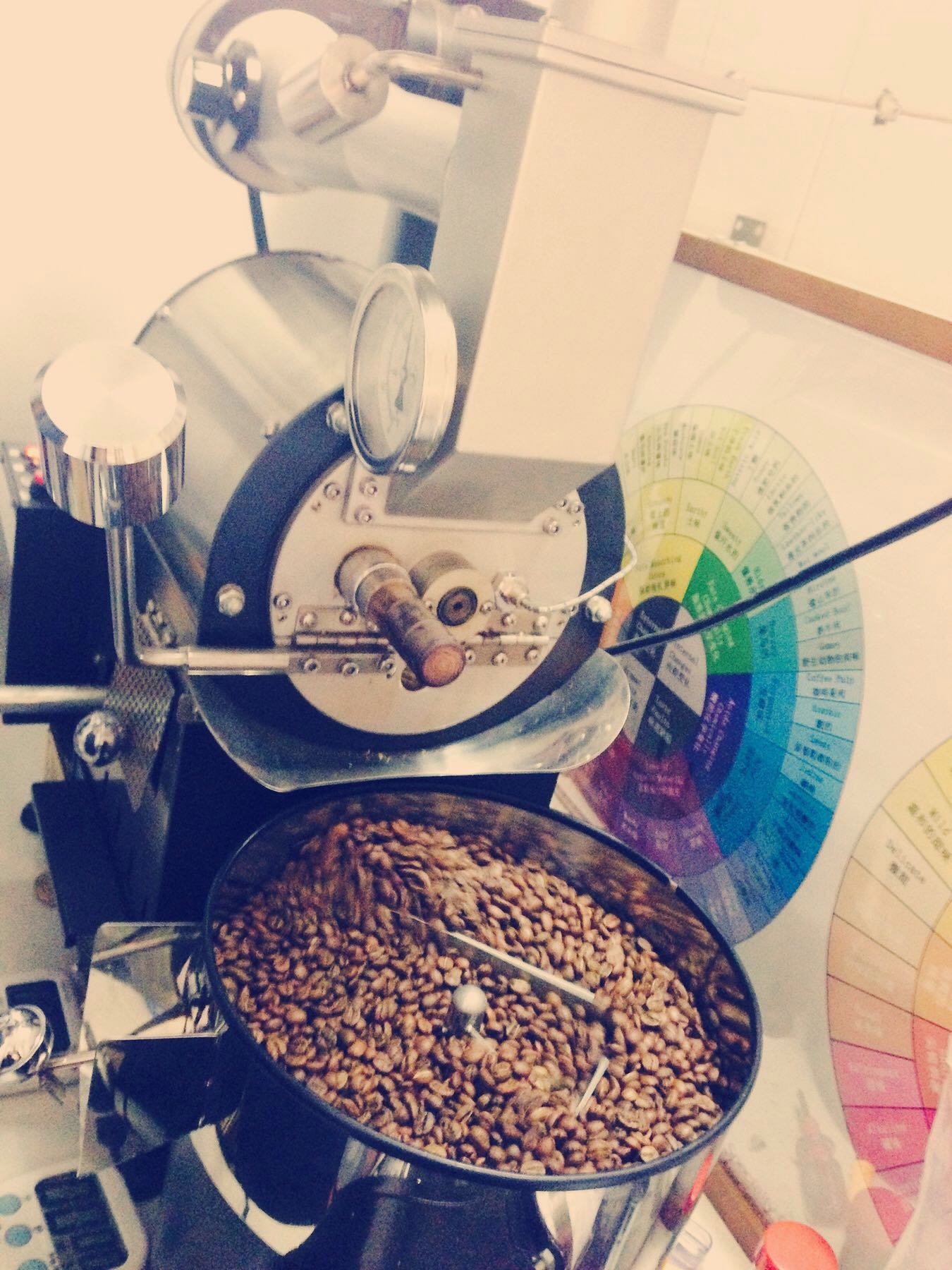
Key points of coffee roasting techniques: basic chemical reactions that take place during coffee roasting
Basic chemical reactions that occur during coffee roasting author: Carl Staub originates from the SCAA baking color classification system, developed by Agtron SCAA 1995 original text from: http://www.sweetmarias.com/roast.carlstaub.html translation: Grant, http://www.baristacn.com/forum/thread-1583-1-1.html in the roasting process
Introduction to the characteristics of different kinds of coffee in boutique coffee
Coffee is produced from the equator to 15 degrees north latitude and is produced in South America, Indonesia and Africa. But the coffee produced from the equator to 15 degrees north latitude is too strong and bitter. In fact, the best coffee should be produced between 15 degrees north latitude and the Tropic of Cancer. Yunnan coffee in China is a product of the tropics. You may not believe that the best coffee producing area in the world is in China.

Introduction to the characteristics of Coffee in different areas
Coffee is produced from the equator to 15 degrees north latitude and is produced in South America, Indonesia and Africa. But the coffee produced from the equator to 15 degrees north latitude is too strong and bitter. In fact, the best coffee should be produced between 15 degrees north latitude and the Tropic of Cancer. Yunnan coffee in China is a product of the tropics. You may not believe that the best coffee producing area in the world is in China.
Introduction to the characteristics of different kinds of coffee in boutique coffee
Coffee is produced from the equator to 15 degrees north latitude and is produced in South America, Indonesia and Africa. But the coffee produced from the equator to 15 degrees north latitude is too strong and bitter. In fact, the best coffee should be produced between 15 degrees north latitude and the Tropic of Cancer. Yunnan coffee in China is a product of the tropics. You may not believe that the best coffee producing area in the world is in the clouds of China.

The basic Chemical reaction of Coffee Baking process
Original: Basic Chemical Reactions Occurring in the Roasting Process by Carl Staub sourced from the SCAA Roast Color Classification System developed by Agtron-SCAA in 1995 Many thermal and chemical reactions occur during the roasting proces

Espresso production: the grinding degree correctly adjusts the grinding scale of the coffee grinder to grasp the thickness and fineness.
First of all, the strength of powder pressing is not a condition for adjusting the degree of grinding. The strength of powder pressing should be relatively stable. After adjusting the degree of grinding, the strength of the pressing powder can be adjusted appropriately, either large (when the degree of grinding is slightly thickened) or smaller (when the degree of grinding is slightly adjusted). In order to make the coffee flavor performance more stable. That is to say, the degree of grinding is to a certain extent
Basic chemical reactions that occur during coffee roasting
Many thermal and chemical reactions take place during baking: decarbonation, dehydration of quinic acid, fragmentation, isomerization, polymerization, and complex sugar reactions (caramelization). The main thermally reactive components are monosaccharides and sucrose, chlorogenic acid, displaced amino acids, and trigonelline amide. Both aravinone and calactose in polysaccharides are transferred, and basic sulfurization contains hydroxyamino acids.
The basic chemical reaction of coffee roasting process
Many thermal and chemical reactions take place during baking: decarbonation, dehydration of quinic acid, subdivision, isomerization, polymerization, and complex sugar reactions (caramelization). The main components of the thermal reaction are monosaccharides and sucrose, chlorogenic acid, free amino acids, and fenugreek amide. Both aravinose and calactose in the polysaccharides are transferred, and the basic vulcanization contains hydroxylated amino acid.
The basic chemical reaction that takes place during coffee roasting.
Many thermal and chemical reactions take place during baking: decarbonation, dehydration of quinic acid, subdivision, isomerization, polymerization, and complex sugar reactions (caramelization). The main components of the thermal reaction are monosaccharides and sucrose, chlorogenic acid, free amino acids, and fenugreek amide. Both aravinose and calactose in the polysaccharides are transferred, and the basic vulcanization process includes hydroxylamine.

The basic chemical reactions that take place during coffee roasting
Many thermal and chemical reactions take place during baking: decarbonation, dehydration of quinic acid, subdivision, isomerization, polymerization, and complex sugar reactions (caramelization). The main components of the thermal reaction are monosaccharides and sucrose, chlorogenic acid, free amino acids, and fenugreek amide. Both aravinose and calactose in the polysaccharides are transferred, and the basic vulcanization process includes hydroxylamine.